
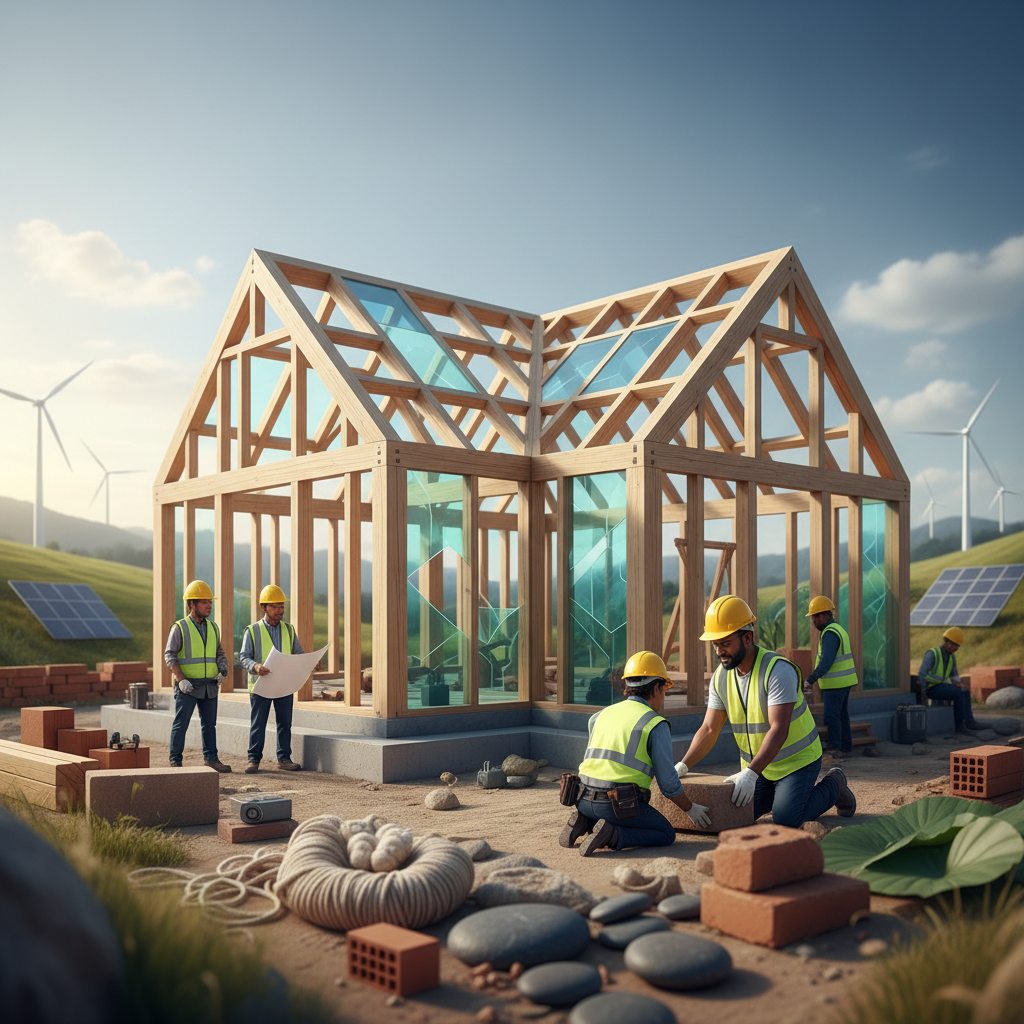
Building Ethically: How to Ensure Fair Labor and Sustainably Sourced Materials in Your Next House Project
When we think about renovating our homes, we usually picture paint swatches, beautiful new fixtures, and the exciting transformation of our living spaces. However, there is a darker side to the global construction industry that often goes unnoticed by the average homeowner. Hidden deep within the supply chains of everyday building materials are severe human rights violations, including forced labor and modern slavery. If you are planning home remodeling Oakville, or anywhere else, it is crucial to consider the human cost behind the materials and labor you choose. By making informed, ethical decisions, your dream home does not have to come at the expense of someone else’s freedom.
The movement to end human trafficking and modern slavery requires action from all of us, not just governments and large corporations. As consumers, we hold tremendous power in how we spend our money and who we choose to hire. Every dollar spent on a renovation is a vote for the kind of world we want to live in. Therefore, understanding how to navigate the complex world of construction sourcing is the first step toward building a home you can truly be proud of.
Fortunately, building ethically is more accessible today than ever before. With a little bit of research and the right partnerships, you can ensure your next house project supports fair wages, safe working conditions, and environmental sustainability. Let us explore the practical steps you can take to make your renovation a force for good.
The Hidden Reality of Construction Supply Chains
To understand why ethical building matters, we must first look at how traditional supply chains operate. The construction industry is one of the highest-risk sectors for modern slavery globally. From the brick kilns of South Asia to the illegal logging operations in the Amazon, millions of vulnerable people are trapped in forced labor to produce the raw materials that eventually end up in our homes. These workers often face dangerous conditions, zero pay, and physical coercion.
Furthermore, the journey of a single building material can be incredibly complex. A piece of hardwood flooring, for example, might be harvested in one country, milled in another, and packaged in a third before it reaches your local hardware store. This fragmented process makes it incredibly easy for unethical suppliers to hide their use of exploited labor. Without strict oversight and transparency, human trafficking thrives in these dark corners of the global market.
Consequently, homeowners must become vigilant advocates for transparency. When we blindly purchase the cheapest materials available, we inadvertently fuel the demand for cheap, exploited labor. By waking up to this hidden reality, we can begin to ask the tough questions that force the industry to change its practices and protect vulnerable workers.
How to Vet Your Materials for Ethical Sourcing
The most effective way to combat modern slavery in your renovation is to be highly selective about the materials you use. Start by looking for recognized, third-party certifications. For timber and wood products, the Forest Stewardship Council (FSC) certification is a strong indicator that the wood was harvested sustainably and that the rights of local workers and indigenous communities were respected. Similarly, look for Fair Trade certifications on items like rugs, textiles, and certain tiles.
In addition to seeking out certifications, try to source materials locally whenever possible. Local supply chains are much shorter and easier to trace, which significantly reduces the risk of forced labor. When you buy stone, wood, or fabricated materials from local suppliers, you can often visit the facilities yourself or easily verify their employment practices. This not only supports your local economy but also gives you peace of mind regarding the origins of your materials.
Finally, do not be afraid to interrogate your suppliers. Ask them directly about their supply chain transparency and their policies against human trafficking. A reputable supplier will be happy to share this information and will have clear protocols in place. If a supplier is evasive or cannot tell you where their products come from, it is a major red flag, and you should take your business elsewhere.
Ensuring Fair Labor Practices on Your Job Site
While sourcing ethical materials is vital, ensuring fair labor practices on your actual job site is equally important. The construction industry is notorious for complex subcontracting networks. A lead contractor might hire a subcontractor, who then hires another subcontractor, and so on. This long chain of command can sometimes lead to the exploitation of undocumented or vulnerable workers who are paid below minimum wage or forced to work in unsafe conditions.
To prevent this, you must have an open and honest conversation with your primary contractor before the project begins. Ask them about their hiring practices and how they vet their subcontractors. A responsible contractor will have strict guidelines in place to ensure everyone on their site is legally employed, paid a living wage, and provided with appropriate safety gear and training.
Moreover, as a homeowner, you can set the tone for the work environment. Treat the workers on your property with respect, provide access to clean water and restroom facilities, and keep an eye out for any signs of distress or unfair treatment. By fostering a safe, respectful environment, you help protect workers from exploitation and ensure your project is completed by people who are valued for their skills.
Partnering with the Right Professionals
Navigating the complexities of ethical labor and sustainable materials can feel overwhelming to tackle alone. That is why partnering with the right professionals is the most crucial decision you will make during your house project. You need a contracting team that shares your values and is committed to transparency, quality, and human rights.
Finding a local business with a stellar reputation is key. For instance, Red Stone Contracting is a prime example of a company you can trust to handle your project with integrity. Local contractors who are deeply rooted in their communities are far more accountable for their business practices than large, faceless corporations. They rely on their local reputation, which means they are more likely to treat their workers fairly and source their materials responsibly.
When you hire a trustworthy team, you are not just getting a beautiful home renovation; you are investing in a business that does things the right way. Good contractors will handle the heavy lifting of vetting suppliers and managing subcontractors, ensuring that your ethical standards are met at every stage of the build. They understand that a truly beautiful home is one built on a foundation of fairness and respect.
The Environmental and Social Impact of Sustainable Choices
It is impossible to separate human rights from environmental sustainability. The two are deeply intertwined. Climate change and environmental degradation disproportionately affect the world’s most vulnerable populations, often destroying livelihoods and forcing people into desperate situations where they become easy targets for human traffickers. By choosing sustainable materials, you are directly helping to combat the root causes of modern slavery.
Sustainable building involves using reclaimed, recycled, or rapidly renewable resources. Reclaimed wood, for example, not only adds unique character to your home but also completely bypasses the modern logging industry, cutting off any potential link to current forced labor practices. Similarly, choosing energy-efficient fixtures and non-toxic paints protects the environment while ensuring that factory workers were not exposed to harmful chemicals during production.
Ultimately, an ethically and sustainably built home leaves a legacy of positive impact. It demonstrates that we do not have to sacrifice human dignity or the health of our planet for the sake of comfort and aesthetics. Your renovation can serve as an inspiring example to your friends, family, and neighbors, proving that conscious consumerism is both practical and beautiful.
Conclusion: Building a Better Future, One Home at a Time
Ending human trafficking and modern slavery is a monumental task, but it is one that we can all contribute to through our everyday choices. Your home renovation is a powerful opportunity to make a tangible difference. By insisting on transparent supply chains, demanding fair labor practices, and prioritizing sustainable materials, you help dismantle the systems that allow exploitation to thrive in the construction industry.
Remember that you do not have to do this alone. Aligning yourself with professionals who prioritize ethical building is the best way to ensure your project’s success. If you are ready to start a renovation that aligns with your values, we highly encourage you to reach out to the experts at Red Stone Contracting. Their commitment to quality and integrity will give you the peace of mind that your home is being built the right way. Together, we can build a future where every home is a symbol of freedom and fairness.